
Do you also question yourself thinking about your parents getting older or are they truly struggling with their daily tasks? If you do, then you are not alone worrying about your parents. One day they look normal, while the other day they are more silent and suddenly you think these are the aging impacts.
But the emotional signs where elderly needs support do not come out loud. According to the National Mental Health Survey, 10.6% of elderly people are suffering from mental disorders and among them 70-92% of elderly people never get any treatment or help for it. They start small with changes and sometimes it is more than that.
This blog will help you in finding those signs where aging parents need assistance, along with guidance on when to step in plus how to recognize changes early and practical ways to provide support with care.
As parents grow older, changes in their emotional state as well as daily habits start showing up in everyday life. These changes look harmless at first, but slowly they turn into a matter that needs proper attention. Below are the key signs that indicate your elderly parent needs more help and attention.
One of the earliest and most noticeable signs is a sudden change in mood as well as personality. These changes become a matter of concern when they appear repeatedly. It is not just a bad day but an emotional instability that appears without any clear reason.
Some changes like
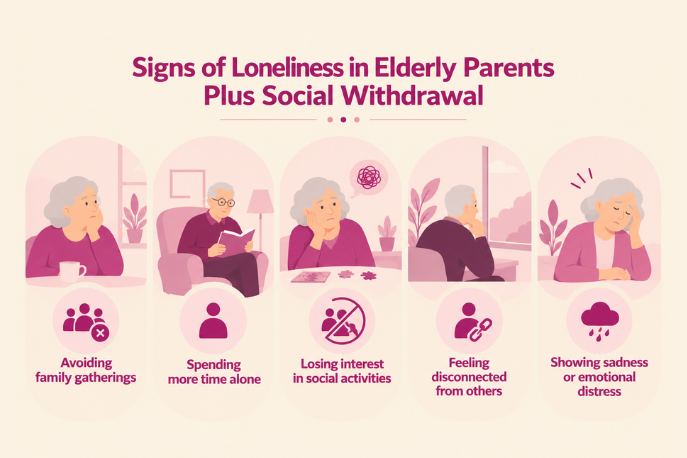
Loneliness is one of the most overlooked issues among elderly parents mainly when children live separately or are busy with their work. As per the World Health Organization, around 11-16% of older people are experiencing loneliness, which means they feel emotional distress, sadness or a feeling of being disconnected from family as well as society.
Some signs include:
Depression in elderly parents is always mistaken for a normal aging sign. It affects their emotional well-being, motivation and physical health. Early identification is very important for timely support as well as care because of persistent sadness or emotional emptiness. They lose their interest in hobbies or activities they once enjoyed.
Even the constant fatigue and lack of energy make them feel more drained during the day. They also face change in sleep patterns or appetite, which makes them feel very uncomfortable.
Changes in behavior sometimes portray the cognitive as well as emotional decline. These shifts are noticeable to the close family members first as they do not come to notice at the start. These changes indicate cognitive decline, emotional stress and underlying health issues that require attention.
Behavioral changes are:
While daily tasks become difficult it is a clear-cut indication that your elderly parents need assistance at home. These struggles start with small tasks but increase with time. This not only impacts their independence but also raises safety concerns for them at home.
They find it difficult to cope with basic tasks like preparing meals or eating regularly by themselves. They even forget to take medicine on time along with a lack of self-care that leads to poor hygiene within the messy home environment.
Safety becomes the most important risk factor that should not be ignored by the family members. If your parents frequently get injured in accidents or show signs of confusion at home, then these should not be overlooked as the signs of aging. Technology in elder care plays an important role as it can improve the safety measures around them.
Some of the risk factors includes:
Cognitive decline affects memory, thinking and decision-making ability along with overall mental clarity. These changes become more visible when they start a familiar conversation and start forgetting in between or when they skip their regular tasks. With its early detection, you can easily manage it by helping them in the treatment.
When they need help:
Mental health changes in seniors are overlooked by the family members as they are considered as the changes due to aging, but these play a crucial role in their well-being. Persistent emotional distress or anxiety should be taken care of so that it does not worsen their mental health.
In this age, they even face constant worry as well as unexplained fear that leads to sudden mood swings plus sadness, which makes them socially isolated. They are unable to perform their daily activities with energy that withdraws them from their routine tasks as well.
According to the World Health Organization, 1 in 4 older adults experience social isolation that has increased the risk of depression among them. Even around 14% of people aged 70 years and above live with a mental health condition. Therefore, these signs need not be ignored that creates risk to their lives.
Old age is all about care as well as affection. When people grow older, they only need one thing from their children and that is care. This is the age when there are emotional, physical and behavioral changes that affect their sovereignty. From struggling with their daily activities to getting agitated with small things it becomes their personality trait.
This is the time when your parents need professional support. If you ignore these things in the early stages, they will grow bigger and will be more difficult to deal with.
How to Know If an Elderly Parent Needs Professional Care:
If these signs start appearing regularly, then it is clear that your parents need supervision in daily life. These changes should not be ignored as these can pose a threat to their lives. This is the right time when you understand one important question, which is “When Should I Step In to Care for My Aging Parent?” This is the perfect time to step in and take care of your loved ones wisely.
| 1. | They are relying on reminders for almost every small task they did earlier. |
| 2. | Clothes are worn for days without being changed or washed for some days. |
| 3. | They talk frequently about death or past regrets or start feeling like a burden. |
| 4. | Religious or spiritual routines they once followed are now mostly skipped. |
| 5. | They cancel the doctor’s appointments plus refuse to go for regular checkups. |
| 6. | Wearing inappropriate clothing means wearing woolen clothes in the hot weather. |
| 7. | They cry very quickly and are unable to describe why they are crying. |
| 8. | Sudden changes in their eating habits as well as skipping meals most of the time. |
| 9. | They give away precious things or the things they use to like before. |
| 10. | Face difficulty in using phones & remotes or other electronic devices. |
Talking to an elderly parent about getting help is a highly sensitive matter that needs to be handled carefully. It is important to start the conversation with respect along with giving them a sense of belonging, which makes them feel valued.
By addressing those things they face difficulty with in their lives, you can convince them to take help for their daily tasks. By highlighting the limitations as well as giving importance to that help which makes their lives easier, it is the perfect way to convince them.
Listen to their feelings to make conversation feel natural rather than forcing them to seek help. Make them understand that by accepting help they will not lose their independence; they will be at ease in doing their daily tasks with better support.
In many Indian families, the emotional needs of elderly parents majorly remain unnoticed in the daily routine. As physical care is always prioritized, emotional care is not given any importance. If families can pay more attention to their sentiments by talking, sharing a bond and spending time with them, they can provide them emotional support. These simple actions can bring a big difference in their health.
Caring for aging parents becomes challenging when everything comes up all together. Sahabhaav helps families within this journey by providing reliable as well as compassionate elder care. Whether elderly people need assisted living, daytime entertainment, short-term care or emotional support, we focus on creating a respectful as well as comforting environment.
With trained caregivers and personalized attention along with senior-friendly spaces, we ensure elderly parents receive the amount of care and dignity they deserve while reducing the stress of the family members. With many facilities as well as engaging activities, we help them to cope with their emotional stress steadily.
Testimonials A home away from home!! Great ambience, excellent and prompt services, homely atmosphere and a dedicated and affectionate staff. It is difficult to match one of this kind in Mumbai!! —Jyothi Mukundan
I wish they were many more places like this. Great care, wonderful atmosphere and living with dignity, Love and care is what seniors need and this place fulfills all criterias. The staff is excellent. —Radhika Chopra |
Recognizing the early symptoms of emotional as well as behavioral changes within elderly people can bring a huge difference in their quality of life. From mood changes & loneliness to daily life struggles, they need proper care plus attention to get back to their normal health. Providing timely emotional support for elderly parents in India is not only about caregiving; it is all about helping them age with dignity, respect and care.
Do not wait for the signs to become serious. Take a first step towards better care and emotional well-being for your loved ones with Sahabhaav.
The first step is always having a calm as well as respectful conversation to understand their concerns instead of forcing your decision on them. Then focus on their comfort, safety and independence while introducing them to the need for support.
Yes, loneliness is one of the weakest points in every elderly person’s life, where they feel like living a very tough life. Being isolated within their own house as well as society, they feel everything is doomed in their lives and automatically think about living a hard life.
In 2026, parents are not avoiding phone calls, replying less and showing less interest in talking even with their close friends. With loneliness as well as sadness, their cut-off behavior has risen, which makes them socially isolated too.