
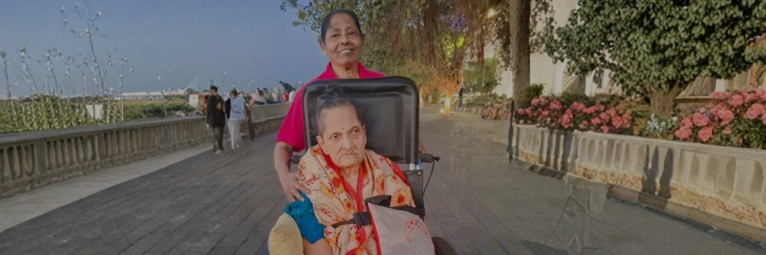
Modernization has made traditional practices of taking care of the elderly nearly impossible because of the rise of nuclear families. Families, due to job, education, or other reasons, have to shift to another city or abroad; similarly, some families struggle due to multiple workloads and are unable to take proper care of the seniors. In both cases, seniors’ mental and physical health suffers a lot, and families suffer too from the stress and anxiety of not being able to take care of their seniors. However, there is a solution. With the rise of geriatric facilities, there is a scope for seniors to get an environment where they are cared for with patience and kindness, and help them live an independent and quality life.
Sahabhaav is a geriatric care facility where their goal is to provide seniors with utmost care, patience, kindness, and love. They provide a home-like environment for seniors to live comfortably and independently.
Geriatric care managers, who are usually trained nurses or social workers with certifications like ‘Certified Dementia Practitioner’, take a holistic approach. They understand the overall health condition of the senior, their medical history, their daily habits, their preferences, their mental load, and physical assessment, and provide them with a structured plan. This helps seniors to get a quality of life with pain management techniques and stress-free environments.
Taking care of older adults requires a lot of medical attention, looking at the whole person, including their mind, body, medications, lifestyle, and personal choices. That’s why professionals in elder care use a helpful guide called the 5M’s of Geriatric Care. This helps ensure that seniors get the right care in a way that supports their health, happiness, and independence.
The holistic approach of a geriatric care manager to plan and coordinate seniors and families with medical services, safe environments, community support, and management facilities is an essential part. Here are the 5Ms of geriatric care management that help seniors improve their lives:
1.Mind- As people age, they experience a lot of changes that include memory, thinking, or mood. Some seniors develop conditions like dementia, Alzheimer’s disease, or depression.
2. Mobility- movement becomes harder with age; seniors may face trouble walking, getting up, or using stairs. Falls are a serious concern that can lead to injury or loss of movement, affecting their independence.
3. Medication- Seniors mostly take multiple medicines for different health problems. However, a wrong combination or dosage can be fatal or have severe side effects, which can lead to dizziness or confusion. This makes it worse with seniors who have dementia and can lead to paralysis or permanent memory loss.
4. Multiple Health Issues- Seniors face multiple health issues, from chronic conditions to isolation. They suffer from long-term illnesses such as diabetes, heart disease, arthritis, or vision problems, and at the same time might face social challenges like loneliness or financial stress.
Each senior has their values, preferences, and dreams. Some may want to live at home as long as possible, while others may value spiritual ways, hobbies, or being close to family.
Focusing on these five areas- mind, mobility, medications, multicomplexity, and what matters most care managers can give seniors the support they truly require. It’s all about treating illnesses; it’s all about helping the elderly live with dignity, purpose, and joy. This approach makes things easier for families, bringing peace of mind knowing that their loved one is being cared for thoughtfully and respectfully. The 5Ms create a complete and compassionate care plan for seniors that covers the whole person.
At Sahabhaav, their premium geriatric care in Mumbai offers personalized geriatric care management through luxurious, family-like residential care, medical coordination, emotional support, and engagement.
These facilities all come under the geriatric care management and geriatric care manager’s responsibilities, like assessment, care planning, medical coordination, social engagement, and caregiver support, and also offer these facilities in residential spaces where seniors truly feel at home. Their goal is to provide a home-like environment to seniors and let seniors live a life of dignity and respect, care, and compassion.
| Treatment | Benefit |
| Light Exercises and Physiotherapy | This reduces the risk of falling and improves mobility, leading to independent living. |
| Mental Workout with Mind Games | This supports mental health, delays the growth rate of dementia or memory loss. |
| Review Medication Regularly | It helps lower side effects and prevents any harmful interactions. |
| Music, Art, and Dance Therapy | They enhance mood, reduce depression, and help in forming social connections. |
| Occupational Therapy | Helps with everyday tasks, promotes self-reliability, and makes seniors independent. |
| Telehealth | It enables remote monitoring and consultations, reducing hospital visits. |
The future of seniors lies in the hands of caregivers, families, healthcare providers, and facilities that can address the signs of health problems in seniors and effectively provide healthcare facilities by coordinating geriatric care managers and doctors involved. Geriatric Care facilities provide a safe, supportive environment for seniors, where they are monitored 24/7 by professionals, taking compassionate care and respect, adding a personalized care plan that includes diet, exercise, medication, regular health check-ups, personal assistance (if required), outings, social activities, and immense love, ensuring a homelike environment.
Geriatric care management is more than a service; it’s a lifeline for seniors and families, providing extra care for seniors facing age-related medical issues. Sahabhaav offers holistic elder care with professionalism, warmth, and dignity.
Looking for a geriatric care facility in Mumbai? Explore Sahabhaav’s geriatric care management services that offer a home-like environment and are designed for seniors with all safety equipment, personalised plans, professional staff, and management. Give seniors a life full of happiness and love. Contact Us Today!
They should ask seniors regarding their health history, medication, preferences on hobbies and food, mental load, and emotional well-being for understanding them as a whole.
The 5 main key points of geriatric care include mental or cognitive health, physical activity, fall prevention, safe medication, managing multiple health conditions, and understanding what matters most to the seniors.
Geriatric patients usually need medical care, emotional support, assistance with daily tasks, and social engagement to maintain a quality of life.