
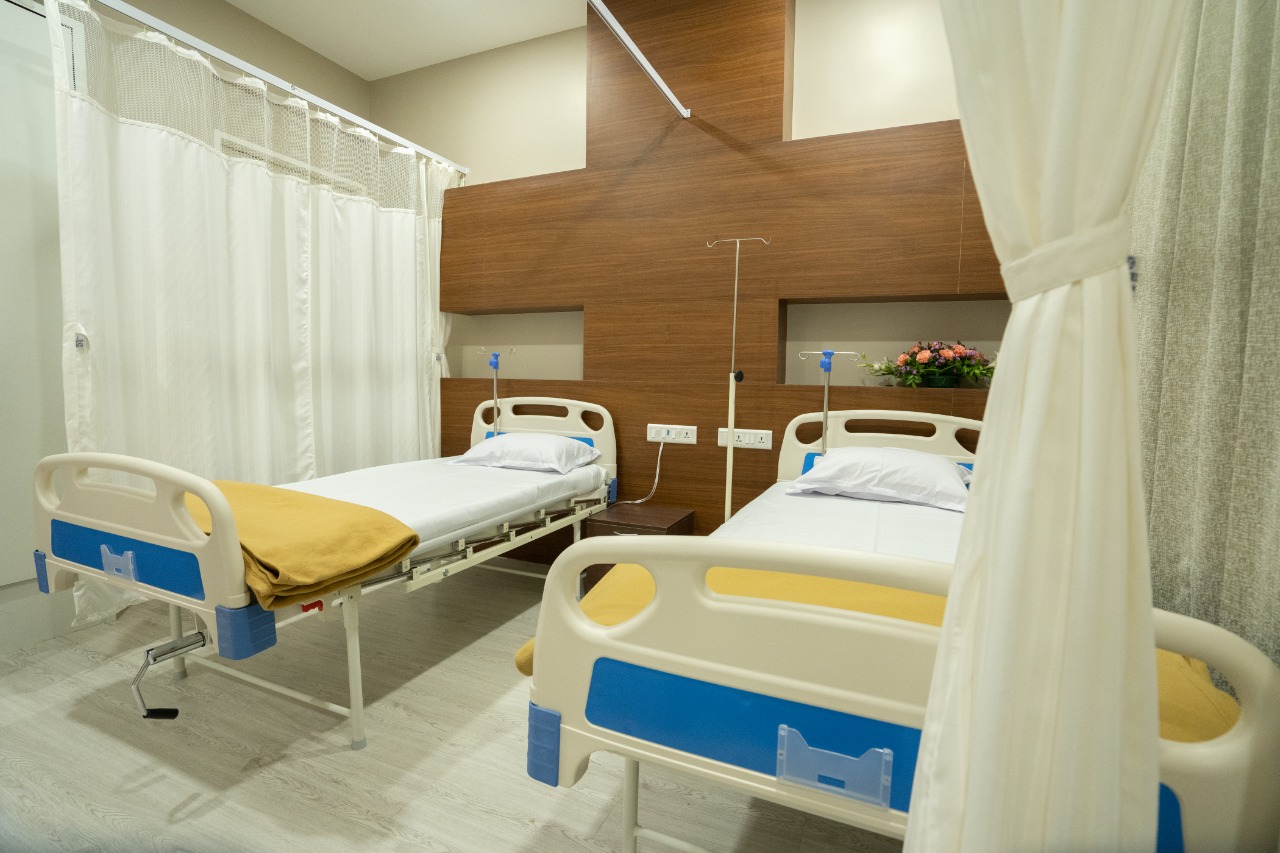
Due to India’s rapidly ageing population, families want their elders to have not only comfort, but also a high standard of health supervision. Daily geriatric health check in India is becoming an essential service in leading geriatric care facilities. Daily geriatric health checks in India are used to identify existing or developing health issues quickly, intervene for chronic conditions, and provide reassurance for families. When combined with sophisticated elderly care lab services, daily monitoring can make a critical difference in the level of safety, health, and dignity of quality of life.
Regardless of scale or setting, no geriatric facility negates health assessments. The best facilities conduct routine medical rounds daily—monitoring vital signs, assessing symptoms of chronic conditions, observing changes in mood and appetite, and changing medications. Indeed, top facilities like Sahabhaav today provide a daily geriatric health check, to ensure that their residents do not receive just a reactive approach for health issues, but rather a proactive approach with health. This is all the more important because elderly people often do not report very subtle symptoms; that is, health assessments on a routine basis will provide a check to ensure all standards are being met and will also minimize the chances of emergencies.
Diagnostic services that are onsite or at least easily accessible is a differentiating feature of modern elder care. Elderly care lab services vary from routine to more urgent tests: blood, urine, ECG, etc.; all of which are vital to monitoring chronic diseases like diabetes, anemia, renal disease or thyroxine issues. Quick access to the lab enables detection and intervention of any medical abnormalities without the risk of any crisis happening beforehand.
Sahabhaav, for example, has its own diagnostic laboratory, and if needed; the lab screening tests are conducted as a part of the daily geriatric health check process. This helps in starting medication quickly and perhaps saves a trip to the hospital!
Vital monitoring of the seniors is the key to excellent elderly care. Caregivers and nurses will watch temperature, pulse, blood pressure, oxygen saturation, and sometimes blood glucose levels throughout a given day. Smart devices will allow medical teams and caregivers to track patterns, indicate sudden spikes, or follow-up on lingering issues, directly incorporated into doctors’ daily rounds. This type of oversight is invaluable to elderly who are bedridden or non-verbal, helping to cultivate safe patient environments, and prevent/reduce unplanned hospitalizations.
Routine medical care of the elderly residents of a reputable facility includes much more than just routine assessments and lab test results; it includes ongoing medication evaluation, individualized nutritional support, rehabilitative exercise, and expedited access to the physician in acute medical situations. Good facilities also keep families informed, even offering regular reports of their loved one’s health, activity, and wellbeing via email or WhatsApp. This level of transparency is essential: families have greater confidence in a facility’s work when it shares details about the care provided, and there is no chance they will miss an important concern.
This consists of daily medical rounds, assessments of symptoms, mood, monitoring of medications, and checking of vital signs.
Weekly to monthly depending on approved orders, lab tests typically include blood, urine, sugar, thyroids, and ECG as needed.
To identify changes sooner, such as irregular heartbeat, shortness of breath, fevers, etc, preventing unnecessary hospital visits, and allowing for timely intervention, therefore, earlier medical treatment.
Regular physician visits, ongoing nurse supervision, individualized nutrition, physiotherapy, and updates to family.
Yes, the best facilities will provide family members with updates regarding their family member’s health, lab updates and reminders when an appointment is necessary.